Activating a New TRON Wallet: How and Why
Activating a TRON wallet is a required first step before any operation. Here is why it matters, what it costs, and why with Overtron you never have to activate a TRON address by hand.
You created a new TRON wallet, but it will not accept energy and behaves oddly? You almost certainly need to activate the TRON wallet. Until an address is activated on the network, the blockchain does not treat it as a real account: you cannot delegate energy or bandwidth to it, it takes no part in staking, and it does not appear in an explorer. Here is what it means to activate a TRON address, why it matters, what it costs, and why with Overtron no separate step is needed — the service activates a new wallet for you, before delivering energy.
What it means to activate a TRON address
On TRON, an address and an account are not the same thing. You can generate an address offline, for free and instantly: it is just a key pair and a string that starts with the letter T. But until the first operation, the network knows nothing about that address. Activation creates the account record directly on the blockchain.
The closest analogy is a bank account. You can pick the number in advance, but until the account is opened in the bank's system, no money lands on it and no operation goes through. Activation is that account opening, done on the TRON blockchain: from that point the address becomes a live account the network can work with.
Activation happens automatically in one of two cases: when funds first arrive at the new address (someone sends you TRX or USDT), or when the activation fee is paid for the address as a separate operation. Until then the address is technically empty — it exists in your wallet, but not on the blockchain.
How an account first appears on the network
The moment of activation coincides with the first incoming movement on the address. It receives coins, the account is created, the network records it, allocates base resources, and starts tracking it in the explorer. After that the wallet works like any other: it accepts transfers, stakes TRX, and receives delegated resources.
An important detail about USDT: a plain incoming TRX transfer activates the address, but an incoming USDT transfer to a non-activated address is trickier. The token contract may require the account to already exist. So it is safer to activate the address first and then receive the stablecoin, to avoid a stuck or rejected transaction.
Why activation matters before renting energy
Renting energy means delegating resources to your address. Energy can only be delegated to an existing — that is, activated — account. If the address is not yet created on the blockchain, the network simply refuses the delegation and delivery fails. There is technically nowhere to put the resource — no account exists to hold it.
Hence the strict order: the account must exist on the blockchain first, and only then can rented energy land on it. For a USDT TRC-20 transfer this is critical. With no active account and no energy, the transaction either will not send at all, or, if the account is active but has no energy, it burns an extra ~6.5 TRX instead of the lean ~2.3 TRX with a rental.
In other words, activation and energy rental are two separate steps that must run in exactly this order. You cannot skip activation: without it, energy physically will not reach the address.
What activation costs
TRON charges a one-time fee to create a new account — paid in resources or a small amount of TRX. Typically it is around 1 TRX, once per address. After activation you never pay again: the account stays active for as long as the network exists. This is not a subscription or a recurring charge, but a one-off account opening.
Overtron has a display detail worth knowing in advance. In the interface activation shows as a product fee of about 1.2 TRX, but on-chain the account creation costs exactly what the network requires — the network minimum. This is not a hidden markup out of nowhere — it is a line that covers the activation operation on the blockchain and its handling.
Key things to know about activation:
- Activation is a one-time event — at the very first appearance of the address on the network.
- Generating the address itself is free; the fee is only for creating the account on the blockchain.
- Without activation the address will not accept delegated energy or bandwidth.
- Overtron shows a product fee of about 1.2 TRX while on-chain only the network minimum is spent.
- Once activated, an account never needs to pay the activation fee again.
How Overtron activates a wallet automatically
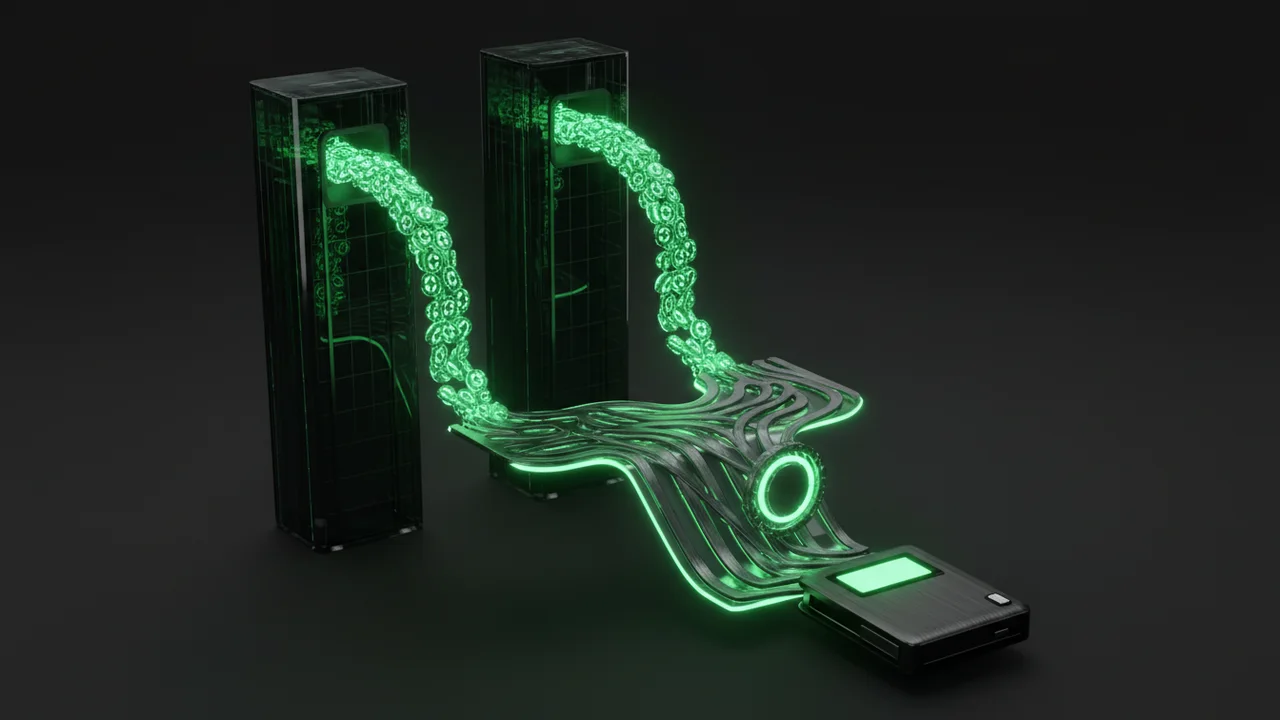
This is where the service saves you work directly. If you order energy for a new, not yet activated address, Overtron first activates it on the network and then delivers the energy — as a single flow. Nothing extra on your side: no manual activation, no first transaction to yourself, no hunting for the 1 TRX to open the account.
Just provide your public TRON address and place the order. The service detects that the account does not exist yet, activates it, and proceeds with delivery. The whole operation fits the same 10–60 seconds and is confirmed on-chain, so the result is visible in the blockchain. No private keys are needed for this — only the public address.
If your balance holds no TRX to pay with, the flow is the same. Top up in BTC, ETH or USDT — the service converts the amount into TRX at the live rate, charges the rental, and activates the address before delivery. Neither a separate TRX purchase nor manual activation ever enters this path.
Scenario: withdrawing USDT from an exchange to a fresh address
A common combination: you created a new wallet specifically to receive USDT and plan to withdraw the stablecoin to it from an exchange. Here lies the trap — the new address is not activated, and receiving USDT on it directly is risky, because the token contract needs an existing account.
The right order is this. First order energy for the new address through Overtron: the service activates the account and delivers the energy. Now the address is a full account with a resource buffer. Then withdraw the USDT from the exchange and use it — send it onward at the low ~2.3 TRX fee. Activation and energy are ready in advance, and the withdrawal lands on an already working wallet.
Activate by hand or through Overtron: a comparison
You can activate an address by hand, but it is a chore of its own. You need a source of that ~1 TRX: either someone sends you coins, or you send the first transaction yourself — which again needs TRX on a non-activated wallet, the same loop. Then, as a separate step, you still have to rent energy.
Through Overtron, activation and energy rental are one order. The service handles activation itself, so you do not need to find starter TRX or make a technical transaction to yourself. You can pay from a balance topped up in BTC, ETH or USDT if you have no TRX on hand. In time it is the same few seconds; in actions, one step instead of three.
Security: public address only
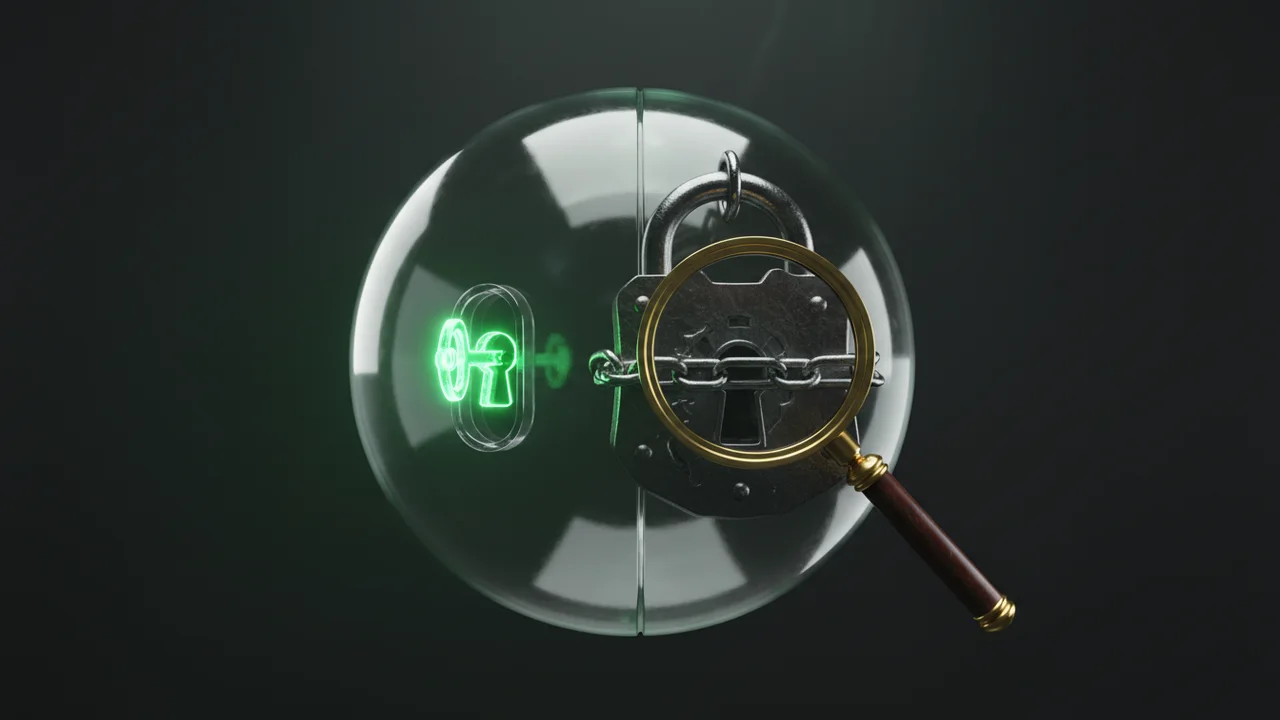
For activation and energy delivery, Overtron needs only your public TRON address — the one that starts with the letter T. A public address is like an account number: it can be used to create the account and credit a resource, but funds cannot be withdrawn through it. Activation runs as a network operation in favor of your address, not as access to your wallet.
Your private key and seed phrase stay with you alone — activation does not require them. Hence the rule for spotting scams: if anyone asks for your private key, seed phrase, or app codes under the pretext of activating your wallet, it is fraud. Real activation needs nothing but a public address. Take the deposit address for payment only from the official bot or dashboard as well.
Edge cases and common mistakes
A few situations that raise questions most often:
- The address received TRX, but energy still will not deliver. Check that the account is truly activated (visible in an explorer). People sometimes confuse generating an address with activating it on the network.
- Trying to receive USDT on a new address before activation. Activate the address first (for example, by ordering energy through Overtron), then accept the stablecoin.
- Expecting activation to repeat and charge every time. It is a one-time step: an activated account never pays for activation again.
- Confused by the 1 TRX versus 1.2 TRX gap. On-chain spends the network minimum; the ~1.2 TRX in the interface is a product display of the fee, not a double charge.
- Trying to activate an empty wallet with no TRX and no energy on it. It is easier to order energy through Overtron: the service activates the address itself, and you need no starter TRX.
What to do after activation
Once the wallet is activated and energy is delivered, it is ready to use. Send USDT TRC-20 — a transfer to a regular recipient needs about 65,000 energy, and instead of ~6.5 TRX in fees you spend roughly 2.3 TRX, up to 65% less. If you have no TRX to pay for rental, top up the balance with BTC, ETH or USDT: Overtron converts the deposit into TRX at the live rate.
Bottom line: activating a TRON address is a required but one-time step. Understanding how it works helps, but you do not have to do it by hand. Overtron activates a new wallet before delivering energy, leaving you only the order and a low fee on your USDT transfers. You manage everything from the Telegram bot or the personal dashboard, and every operation's result is confirmed on-chain.
Read next
- No TRX in Your Wallet? How to Pay for Energy With BTC, ETH or USDT
- How to Rent TRON Energy Without Private Keys: 4 Steps
- Why a USDT TRC-20 Transfer Burns TRX and How to Stop It
Ready to pay less on USDT transfers? Rent TRON energy — delivered to your wallet in seconds, no private keys.
Read also

Do I have to activate a TRON wallet manually before renting energy?
No. If the address is not activated yet, Overtron activates it on the network automatically before delivering energy. No separate action is needed on your side.
How much does it cost to activate a new TRON address?
The network charges a one-time fee to create the account, usually around 1 TRX per address. Overtron shows a product fee of about 1.2 TRX while on-chain only the network minimum is spent.
Why won't my new address accept energy?
Because until activation the address does not exist on the blockchain as an account and cannot receive delegated resources. Activation comes first, then energy delivery.
Can I activate a wallet that has no TRX at all?
Yes. Order energy through Overtron: the service activates the address itself, and you can pay from a balance topped up in BTC, ETH or USDT. No starter TRX needed.
Do I need to activate the address again later?
No. Activation is one-time: once created, the account stays active forever and never needs the activation fee again.