 Overtron
The Overtron blog about TRON energy, fees and practical workflows
The content strategy is centered on search demand: TRON energy, USDT TRC20 fees, savings, swap, guides and updates. Russian and English form the first SEO content core.


P2P USDT Arbitrage: How TRON Network Fees Eat Your Spread
In P2P arbitrage profit lives on turnover, and TRON network fees quietly eat the spread. We break down USDT transfer costs and how renting energy protects margin.
Read article
How to Check USDT TRC-20 for AML Risk and Freeze Before Transferring
How to tell whether incoming USDT TRC-20 is clean and whether it can be frozen. We separate two different risks — an AML hold on an exchange versus a freeze at the Tether contract level — and show how to check an address against Tether's blacklist, read an AML score, spot fake USDT tokens, and use a small test transfer.
Read article
Best Wallet for USDT TRC-20: TronLink, Trust Wallet and Others
How TronLink differs from Trust Wallet and hardware wallets, when non-custodial beats an exchange balance, and why USDT transfers need energy in any wallet you pick.
Read article
USDT Network Choice: TRC20 vs ERC20 vs BEP20 When Withdrawing
How USDT networks differ on the withdrawal screen, why TRC20 wins for everyday transfers, when ERC20 is really needed, the BEP20 address trap, and how not to lose funds.
Read article
Reading Tronscan Like a Pro: Transactions, Resources, Delegation, Permissions
Tronscan is the TRON blockchain explorer. We break down its four key screens field by field: the transaction card, the address page, the resources tab, and permissions — so you can diagnose "USDT not received," "why was TRX burned," and "do I have enough energy" on your own.
Read article
USDT Sent but Not Received: a TXID Troubleshooting Checklist
USDT left your wallet but never showed up on the exchange? A step-by-step guide: how to find the TXID, check the transaction status on Tronscan, and what to do in each of the four possible scenarios — from "transaction not found" to SUCCESS with no credit. Plus a list of things you should never do.
Read article
How Much a USDT TRC-20 Transfer Costs in 2026: A Formula Built on Live Network Parameters
The USDT TRC-20 transfer cost formula: energy × getEnergyFee + bandwidth × getTransactionFee. With live July 2026 parameters that is ≈6.4 TRX to an address holding USDT and ≈13 TRX to an empty one. Learn to recheck the numbers via the TRON API in a minute — and how to pay less.
Read article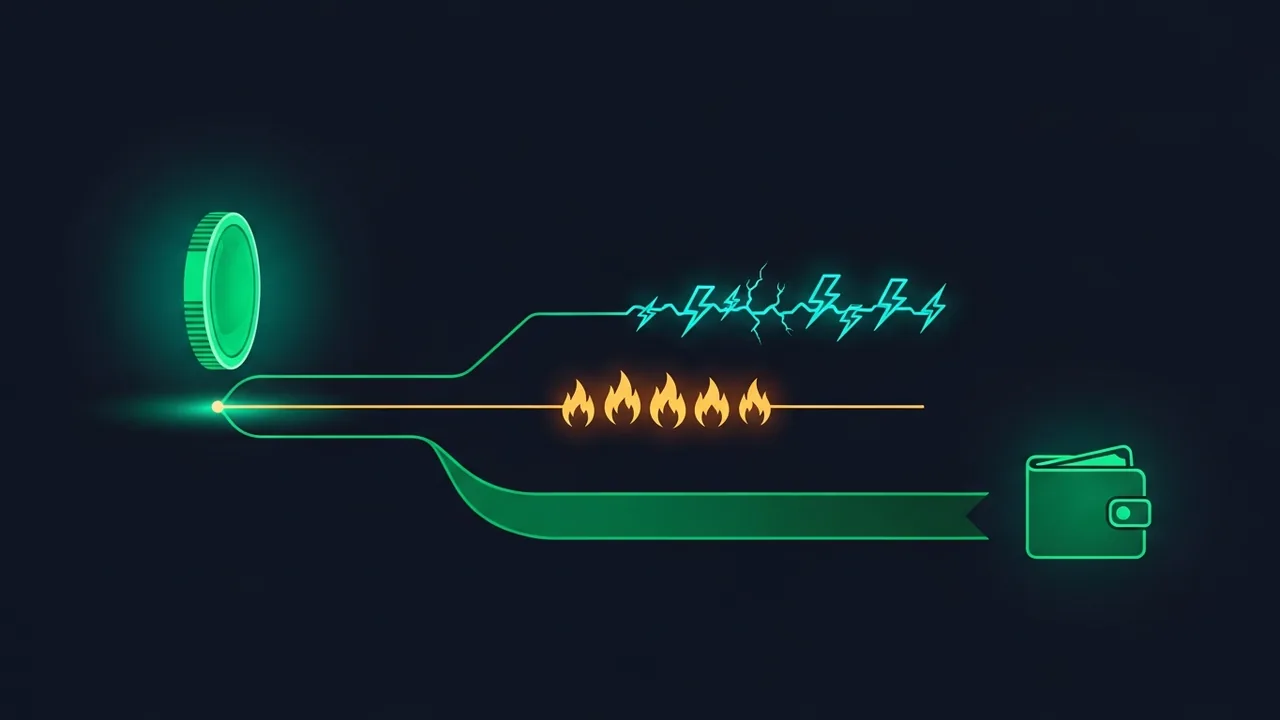
How to Send USDT Without TRX in Your Wallet: GasFree, Energy Rental, and Burning — Every Route
You hold USDT but zero TRX, and the transfer won't go through? We break down three working routes: GasFree with fees paid in USDT, energy rental paid without TRX, and classic burning — with network figures verified in July 2026 and an honest look at when each route fits.
Read article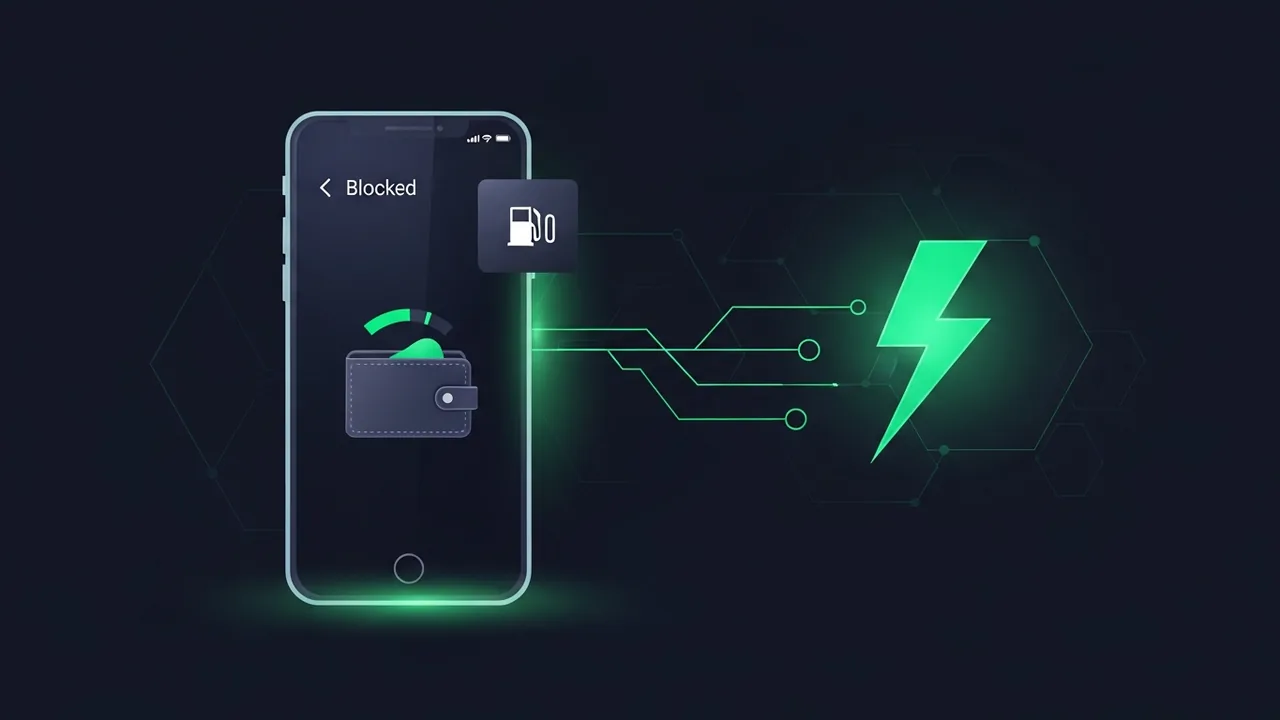
"Not Enough TRX to Cover Network Fee": How to Send USDT from Trust Wallet and TronLink
The "Not enough TRX to cover network fee" error means there is nothing to pay for your USDT transfer: the network needs TRX to burn or Energy on your address. Here is how much TRX one transfer takes, what the error looks like in Trust Wallet and TronLink, and two ways to fix it.
Read article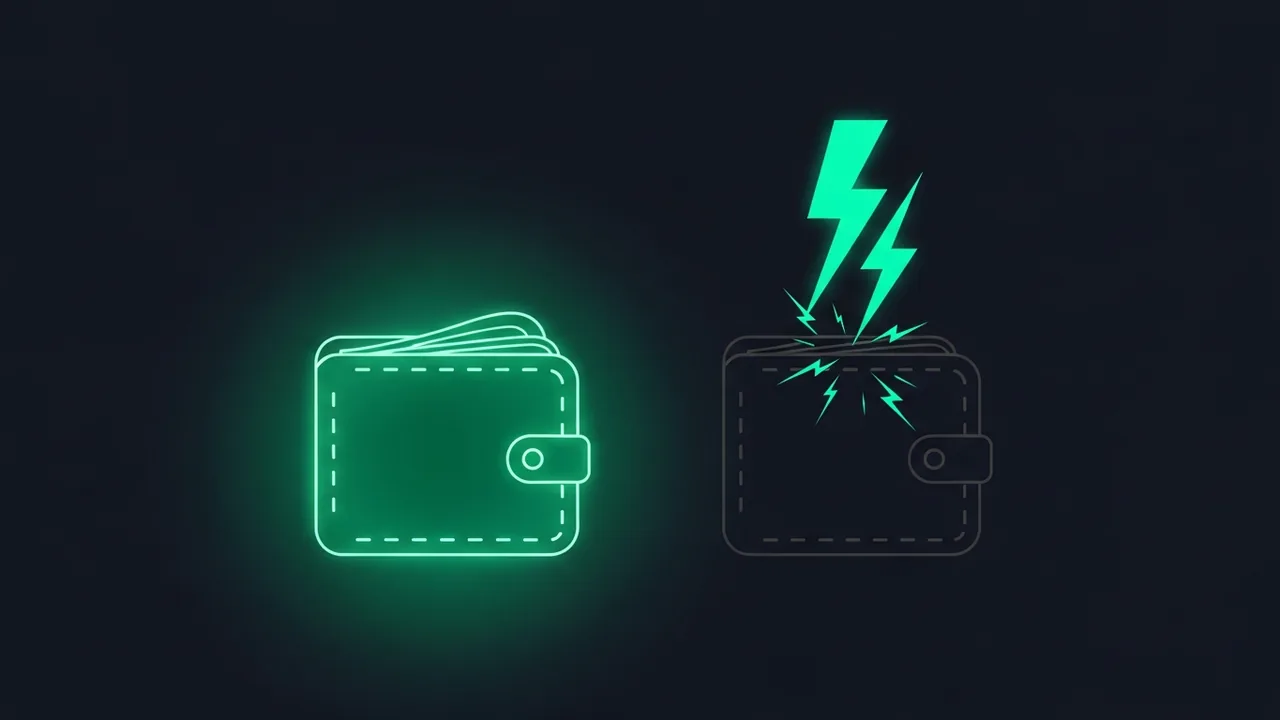
Why Sending USDT to an Empty Wallet Burns Twice the Energy: 64,285 vs 130,285
A USDT TRC-20 transfer to an address that holds no USDT costs 130,285 energy instead of the usual 64,285 — double the price. Here is where the extra 66,000 units come from, what it means in burned TRX, and how to verify the numbers yourself against real transactions via TronGrid.
Read article
TRON Fees Explained: Energy, Bandwidth, and SUN in Plain English
A TRON fee is not one number but three mechanisms: bandwidth pays for transaction bytes, energy pays for smart contracts, and any shortfall is covered by burning TRX. We break down each resource, explain SUN, list current network rates with verification steps, and show how to pay less.
Read article
TRON's "FAILED — OUT_OF_ENERGY" Error: Why Your USDT Transfer Failed and Whether Your Money Is Safe
Your USDT TRC-20 transfer ended with FAILED — OUT_OF_ENERGY. We break down the mechanics: why the network ran out of Energy, what happened to your tokens (they are safe), how to verify the transaction by TXID on Tronscan, and how to resend without the error.
Read article
Why a USDT TRC-20 Transfer Burns TRX and How to Stop It
How the USDT TRC-20 transfer fee works, why your wallet burns 13–27 TRX on every send, how energy differs from bandwidth, and how renting TRON energy cuts the cost by up to 84%.
Read article
How Much Energy Does One USDT Transfer Need — Table and Math
An exact breakdown of how much energy a USDT transfer needs on TRON, what shifts the number, a package table for 65K/131K/262K, and how to convert energy into real TRX.
Read article
TRON Energy vs Burning TRX: What Is Cheaper for USDT Transfers in 2026
A 2026 cost breakdown of sending USDT TRC-20 — renting TRON energy versus burning TRX, and how to cut your transfer fee by up to 84%.
Read article
How to Rent TRON Energy Without Private Keys: 4 Steps
A step-by-step guide to renting TRON energy without private keys through Overtron and sending USDT TRC-20 for 2–9 TRX instead of 13–27.
Read article
TRON Energy Rental Term: 15, 30 or 60 Minutes — Which to Pick
The TRON energy rental term decides whether your USDT transfer lands inside the window while energy sits on your wallet. Here is when to rent energy for 15 minutes and when to take an hour.
Read article
Bandwidth vs Energy on TRON: Which One You Need
Bandwidth vs energy on TRON — two resources for two jobs. Here is the difference between bandwidth and energy for USDT TRC-20 transfers, and which one to rent.
Read article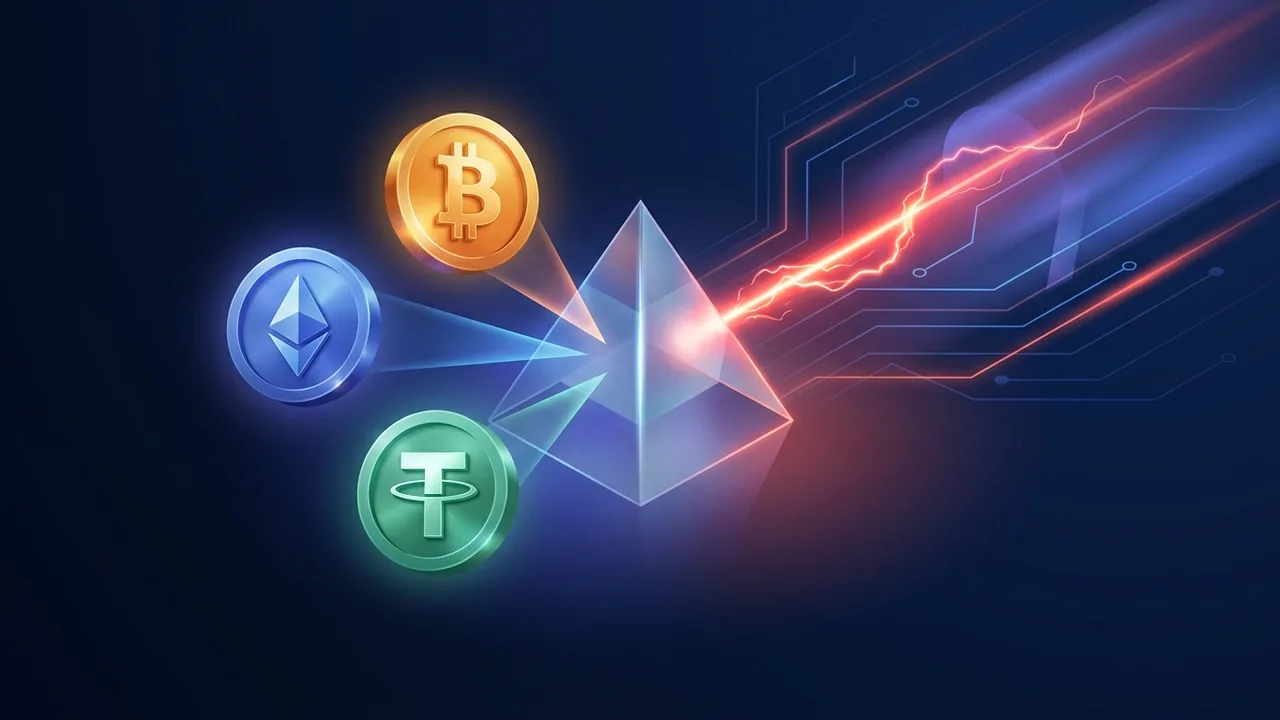
No TRX in Your Wallet? How to Pay for Energy With BTC, ETH or USDT
Out of TRX? Top up your Overtron balance with BTC, ETH or USDT — the service converts your deposit into TRX at the live rate, so you can pay for energy without touching an exchange.
Read article
Activating a New TRON Wallet: How and Why
Activating a TRON wallet is a required first step before any operation. Here is why it matters, what it costs, and why with Overtron you never have to activate a TRON address by hand.
Read article
Overtron Tiers: How to Get the Maximum Energy Discount
How Overtron tiers work, how the TRON energy discount from −3% to −10% is earned, and what to do to pay less TRX on every USDT transfer.
Read article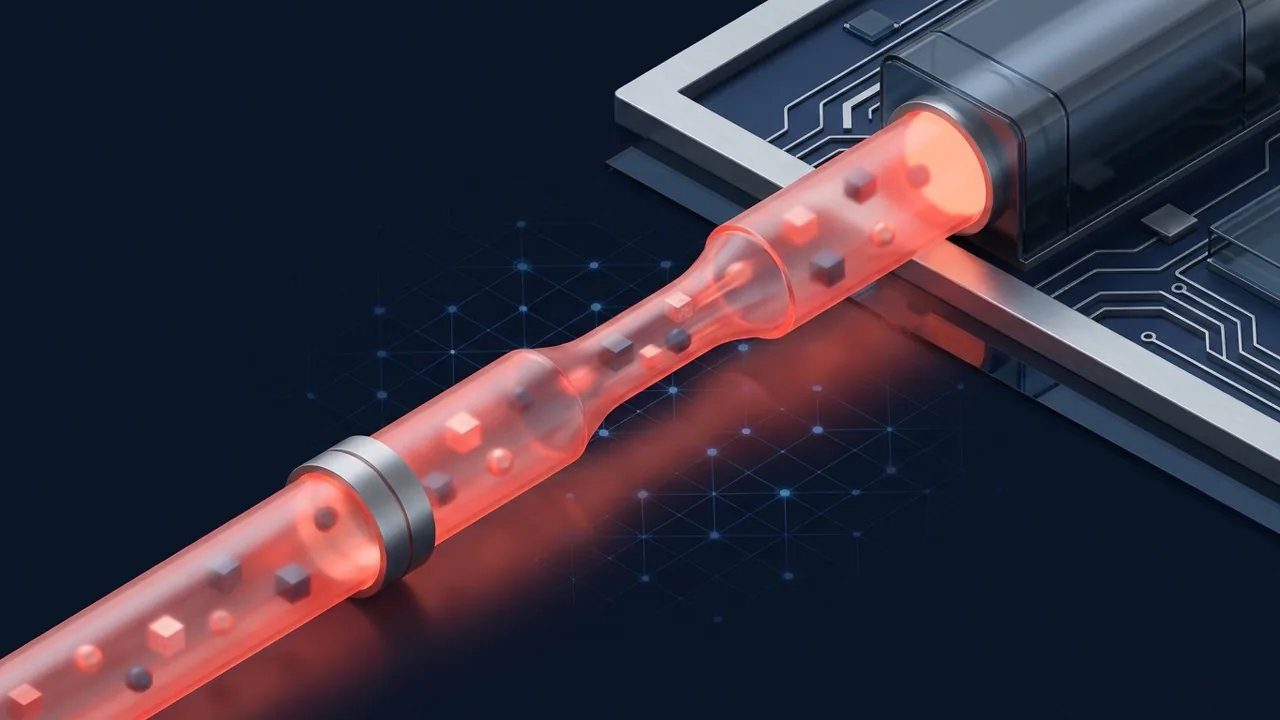
What Is TRON Bandwidth and When You Need It
A clear explanation of what TRON bandwidth is, how it differs from energy, how the 360/720/1080 packages are counted, and when to rent it.
Read article
How to Rent TRON Energy: A Step-by-Step Guide
Renting energy takes a couple of minutes. Follow this walkthrough to cover your USDT transfers without burning a single TRX.
Read article
TRON Energy for USDT Traders: Where the Savings Add Up
Active USDT traders move funds dozens of times a day. That volume is exactly where rented energy turns into real monthly savings.
Read article
Auto-Refill: Keep Your Wallet Always Ready for USDT
Set the number of transactions to maintain and a schedule. Auto-refill replenishes energy before you run out, so transfers never fall back to burning TRX.
Read article
Is TRON Energy Rental Safe? How Delegation Protects You
Renting energy never touches your funds or keys. Here's exactly how on-chain delegation works and why it's safe.
Read article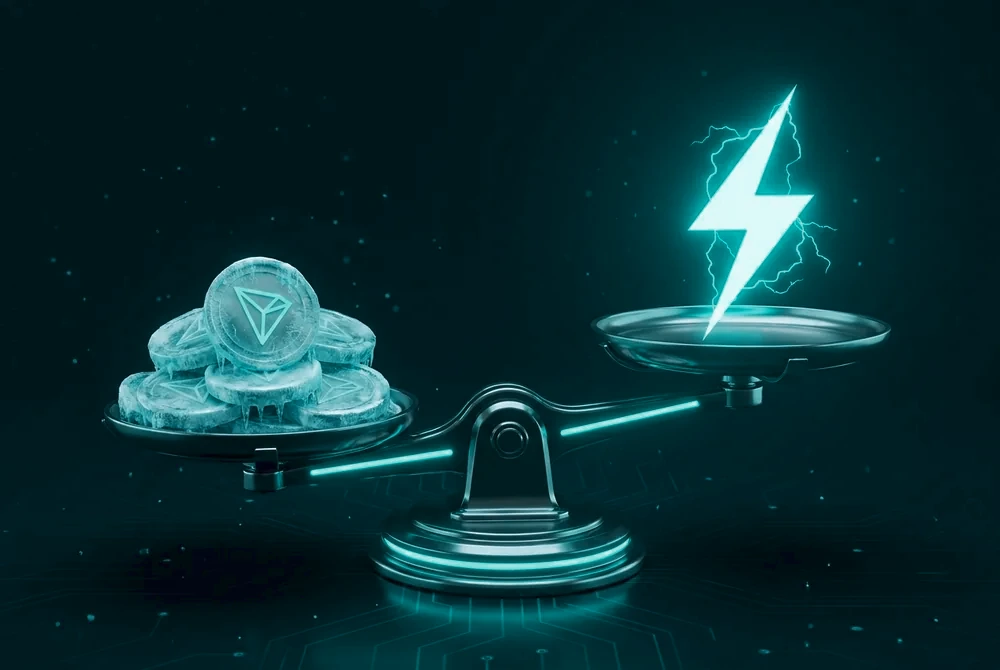
Renting Energy vs Holding TRX for Fees: What's Cheaper
Should you just keep TRX in your wallet to pay fees, or rent energy per transfer? Here's the honest comparison for USDT senders.
Read article
How to Reduce USDT-TRC20 Transfer Fees
Stop overpaying on USDT transfers. A practical guide to cutting TRON fees with rented energy and bandwidth.
Read article
TRON Energy vs Bandwidth: The Complete Guide
TRON transactions consume two different resources. Knowing the difference between energy and bandwidth saves you money on every transfer.
Read article
What Is TRON Energy and Why You Need It
Energy powers smart-contract operations on TRON. Here is what it is, how it is consumed, and how renting it cuts your USDT transfer costs.
Read article